
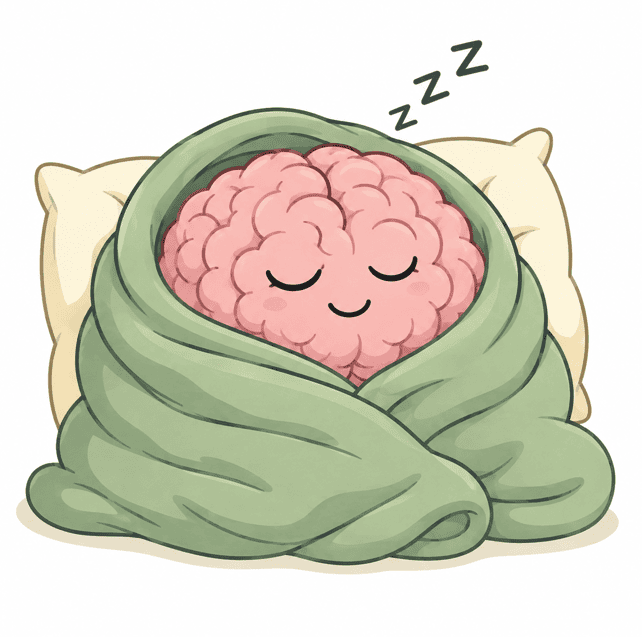
Rest Isn’t Lazy – Here’s Why
By: Krista Mueller, LCPC
Somewhere along the way, many of us learned that being busy means we are being productive, and slowing down means we are falling behind or being “lazy”. We wear exhaustion like a badge of honor. We celebrate packed schedules, long work hours, and constantly checking things off our to-do lists.
But when was the last time you allowed yourself to rest without feeling guilt or shame?
For many people, rest can feel uncomfortable. It can bring up thoughts like:
- “I should be doing something.”
- “I’m wasting time.”
- “Other people are accomplishing more than I am.”
- “I’ll rest when everything is done.”
Truth is – those are all false! The problem is that everything is rarely done. The to do list you have? That’s never-ending & always growing. There will always be another email, another chore, another responsibility, or another goal waiting for your attention. If rest is only allowed once everything is finished, you may never actually give yourself the opportunity to recharge. If you don’t give yourself the moment to recharge, you’ll likely burn out or crumble.
Rest is not laziness. Rest is productive, as it is a NEED.
Rest Allows Your Brain and Body to Recover
Our brains and bodies are not designed to operate at full speed all the time. Just like a phone battery eventually needs to be recharged, we need opportunities to restore our energy.
Constantly pushing through without adequate rest can contribute to:
- Increased stress and irritability
- Difficulty concentrating
- Feeling emotionally overwhelmed
- Decreased motivation
- Forgetfulness and making mistakes
- Trouble managing everyday challenges
- Feeling disconnected from yourself and others
Rest gives your nervous system a chance to settle. It helps your brain process information, regulate emotions, and prepare for what comes next – not to mention think more clearly to be able to tackle whatever tasks may be first priority!
Productivity Does Not Equal Worth
One of the biggest reasons people struggle with rest is because they connect their value to what they accomplish.
You may find yourself thinking:
“I had a productive day, so I did well.”
“I didn’t get enough done today, so I failed.”
But your worth is not determined by your productivity.
You are valuable when you are working toward goals, and you are valuable when you are taking care of yourself. Your accomplishments matter, but they are only one part of who you are.
Rest is not something you have to earn by exhausting yourself. If you or someone you care about had the flu or a broken leg & took time to rest and recover, you probably wouldn’t tell them they aren’t doing enough, would you?
Rest Helps You Show Up Better
Rest does not take away from your responsibilities. It actually helps you handle them!
When you are constantly running on empty, even small challenges can feel overwhelming. You may have less patience, less emotional energy, and less ability to problem-solve – not to mention if you are trying to do multiple things at once, none of those things are being given your full attention.
Taking time to rest can help you show up better with:
- More patience
- Better focus
- Increased creativity
- Improved emotional regulation
- More energy for the people and things that matter to you
Rest is not giving up. It is creating the space you need to continue.
Not All Rest Looks the Same
When people hear the word “rest,” they often imagine sleeping or doing nothing. While sleep is important and you are allowed to do nothing, rest can look different for everyone.
Types of rest are:
Physical Rest – such as obtaining quality sleep or doing mindful movement (yoga, stretches, slow walks, etc.),
Mental Rest – such as taking a technology/social media break, setting boundaries around your time or presence, or meditation
Creative Rest – such as engaging in an art or craft, listening to music, or engaging in a hobby
Sensory Rest – such as screen time breaks, silencing your phone, or spending time in a quiet place or a light noise place (e.g. your room, nature, listening to ASMR or a calming sound video)
Emotional Rest – such as talking openly with a loved one or journaling
Spiritual Rest – such as meditation, praying, reflecting on your values, or volunteering or doing acts of kindness
Social Rest – such as spending time with those you enjoy doing a mutually enjoyable activity, saying no to obligations that feel like too much right now, or spending time with yourself
OR whatever else you can think of that you enjoy! Rest is anything that helps you feel restored, not just distracted – this is another reason behind rest not equaling lazy! It has a purpose.
Why Rest Can Feel So Difficult
For some people, rest brings up uncomfortable feelings. It may feel unfamiliar, unsafe, or even selfish. This can happen for many reasons.
Maybe you grew up believing that hard work should always come first. Maybe you have responsibilities that make slowing down feel impossible. Maybe you have spent so long taking care of others that you are unsure how to take care of yourself. Maybe someone around you is making comments about you “not doing enough.” Maybe you are battling something that you are not fully ready to address, so if you stay busy, you can avoid it temporarily.
Learning to rest can be a skill and funny enough – does take practice. It may require changing the way you think about productivity, success, and self-care.
Give Yourself Permission to Rest
If resting feels difficult, start small. Take a few minutes to pause. Step away from the expectation that you always need to be accomplishing something. Notice the thoughts that come up and practice responding to yourself with kindness.
Instead of thinking, “I’m being lazy,” try:
“I am giving myself time to recharge.”
“I am taking care of my mental health.”
“Rest helps me be the person I want to be.”
Rest is not a sign that you are unmotivated, unproductive, or falling behind. Rest is how we recover. Rest is how we grow. Rest is how we continue.
You do not have to earn the right to take care of yourself.
Now, say it with me: “I give myself permission to rest. It’s okay if I don’t check anything off my list today.”
With offices in Collinsville, Lake in the Hills, St. Charles, and Schaumburg, Illinois (plus telehealth), our team is easily accessible and ready to support you in adding resting to your checklist!
View the list of our clinicians to see who you feel like you would connect with the most.
Contact us to schedule an appointment now!